Aglio e Olio My Way, the Kind That Might Make an Italian Wince
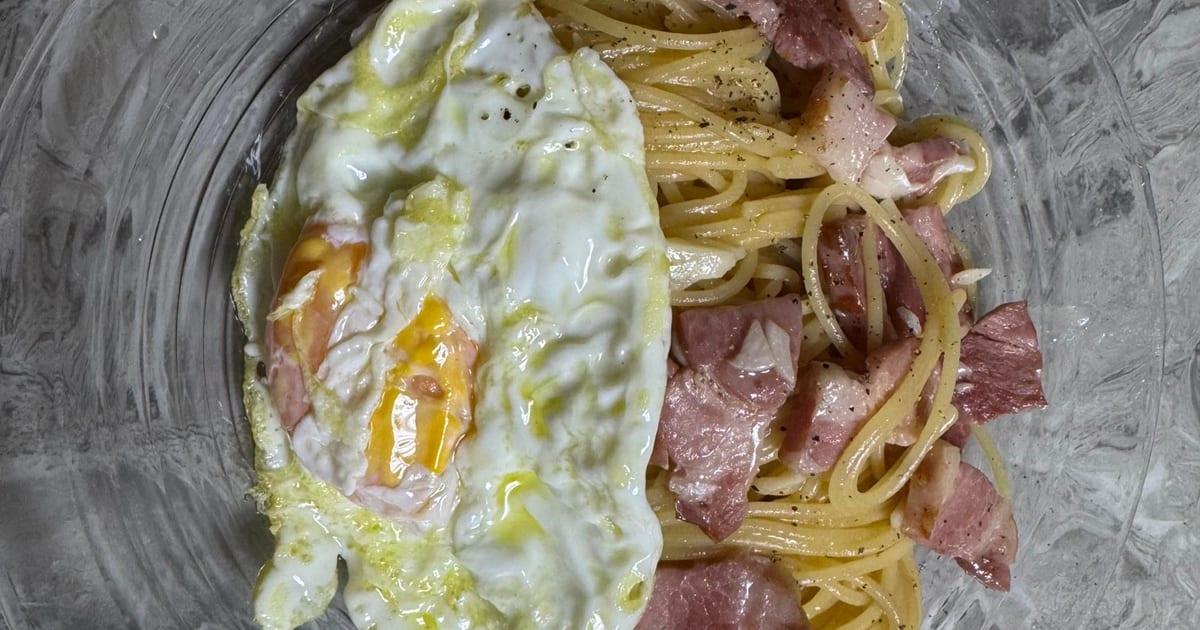
An Italian reading this might wince. I add Spam, I put pasta on top of a fried egg, and I cook the noodles past al dente. Still, if it tastes good, I'm happy.
Aglio e olio is the pasta where this works best. All the flavor comes from garlic and olive oil, so the base is simple, and almost anything you add fits. Half the fun is trying whatever is in the fridge.
The short answer, if you're in a hurry
- For noodles, go with linguine, which picks up just the right amount of sauce with each bite
- What makes or breaks it is pasta water: use less water and keep it boiling so the starch stays concentrated
- Cook the pasta a little past al dente
- My favorite topping is an egg with a runny yolk
Aglio e olio is just garlic and oil
Aglio e olio is Italian for garlic and oil. That's the whole dish: you cook garlic slowly in olive oil until it's fragrant, then toss the pasta in that oil. Heat comes from peperoncino, a dried Italian chili.
The simplest aglio e olio
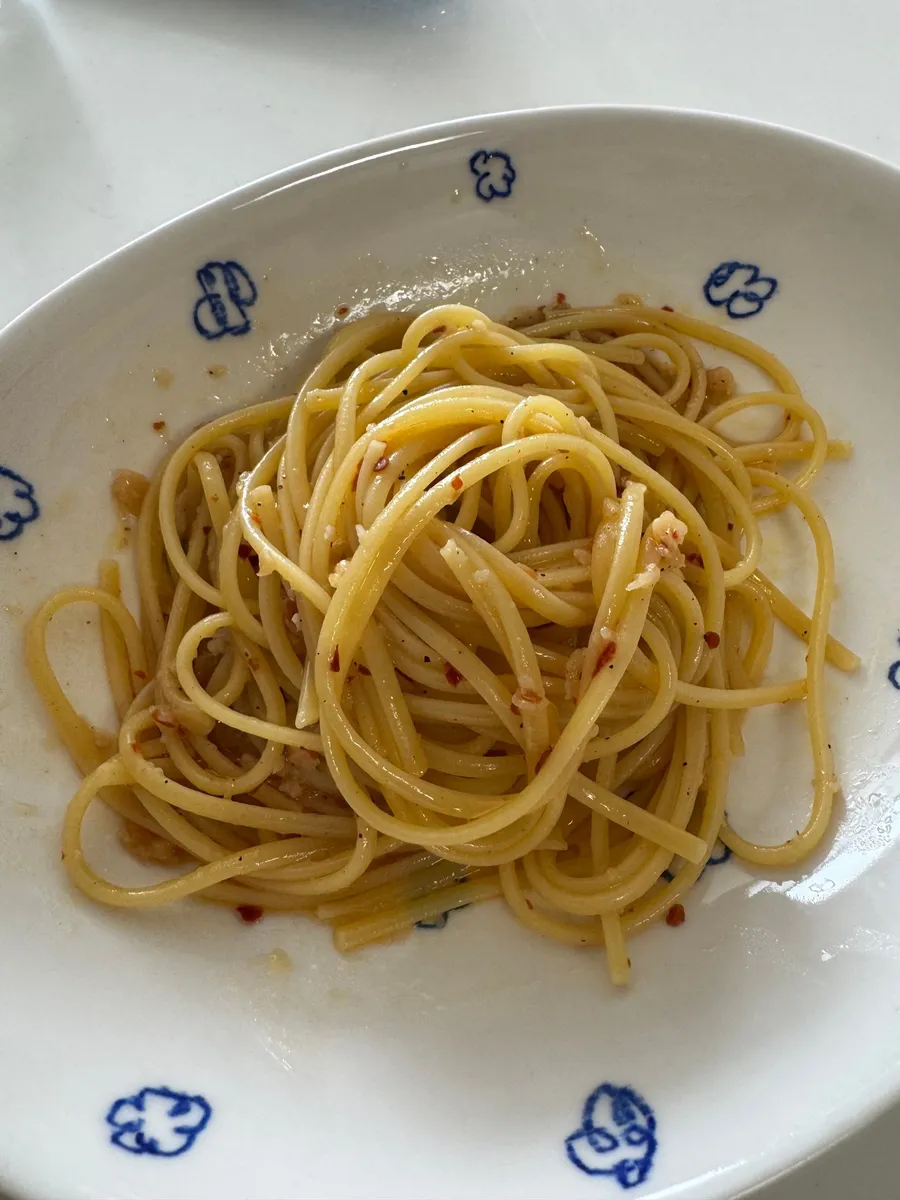
This serves one.
- 100 g (3.5 oz) linguine or spaghetti
- 6 cloves of garlic
- 4 tbsp olive oil
- 3 dried peperoncino chilies
- Salt and pepper
1. Boil the pasta
Pour just enough water into a pot to cover the pasta, add salt, and bring it to a boil. The water should taste slightly salty. Add the pasta and cook it for the time on the package.
2. Make the garlic oil
While the pasta cooks, mince the garlic. Put the olive oil and garlic in a pan together, set it over low heat, and cook for 3 to 4 minutes, until the garlic turns light golden. Then crumble in the peperoncino with your fingers. Garlic burns fast and turns bitter, so keep the heat low the whole time.
3. Toss with pasta water
Lift the pasta into the pan and add a ladle of pasta water. Turn the heat up to medium and toss for 1 to 2 minutes, shaking the pan. When the oil and water blend into a cloudy, slightly thick sauce, it's done.
4. Season
Taste, then season with salt and pepper. If it tastes flat, you can add a little more pasta water instead of salt.
The details that make the difference
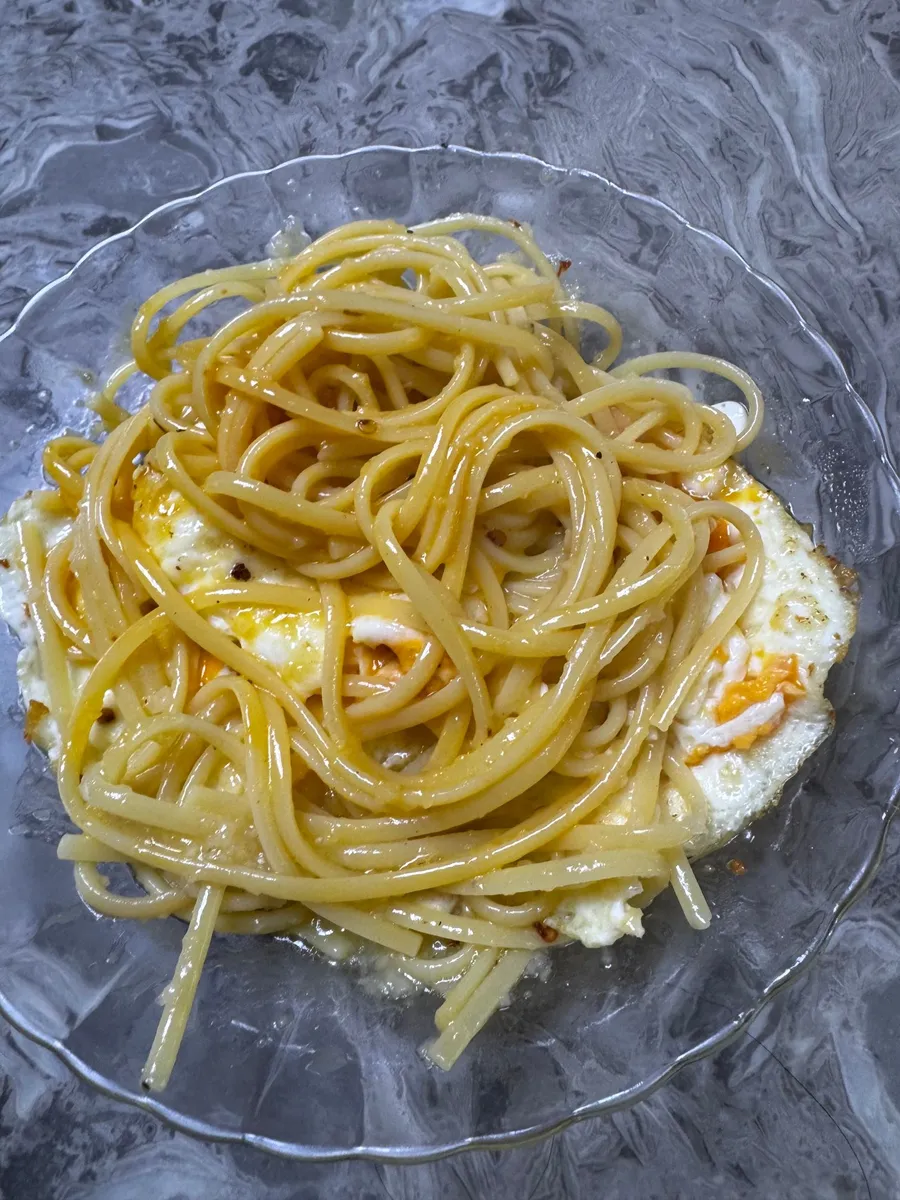
Linguine is my favorite
I've tried spaghetti and thinner noodles too, but linguine, the flat one, gives the best balance in a mouthful. I think it's because each forkful carries just the right amount of sauce along with the noodles.
Cook it a little past al dente
In Italy, al dente is the standard. It's Italian for "to the tooth," and it means pasta cooked so it isn't too soft and still has some firmness when you bite it.
For Korean tastes, though, I think a little softer is better. So I boil the pasta for the full time on the package, then toss it in the pan for another 1 to 2 minutes. If you want it al dente, pull it out of the water 1 to 2 minutes early.
To me, pasta water matters most
If you just toss pasta in garlic-infused olive oil, the oil slides off the noodles and pools at the bottom of the plate. The starch in pasta water helps the oil and water come together, so the garlic oil sticks to the noodles.
The trouble is that pasta water at home doesn't have much starch. Restaurants cook batch after batch in the same pot, so their water gets plenty starchy. At home, you cook one serving once and you're done.
So I try not to use too much water. Just enough to cover the pasta is plenty, and the less water you use, the more concentrated the same amount of starch becomes. The America's Test Kitchen article linked above also cooks pasta in half the usual amount of water.
After I lift out the pasta, I keep the water boiling until I add it to the pan. As water evaporates, the starch gets more concentrated. If it reduces too far it gets salty, so keep the heat at medium-low.
Those are what I think of as the basics. From here on, it's my own customizing.
My own custom aglio e olio
My fridge usually has some smoked duck, frozen mackerel, canned tuna, eggs, bacon, and Spam. Add one of them and you get some protein, and the same aglio e olio turns into a different meal every time.
My favorite: a runny egg
I top the pasta with a fried egg whose yolk is still runny, then break the yolk and mix it into the noodles as I eat. The yolk blends into the sauce and makes it much thicker and richer.
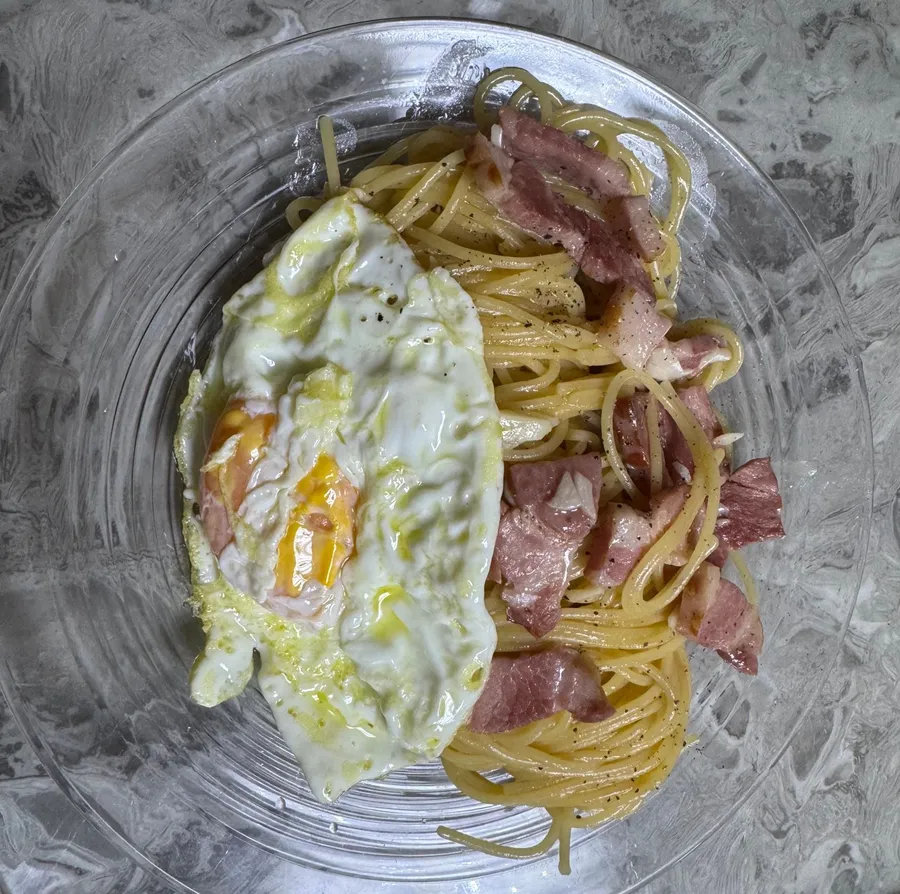
Sear Spam or bacon first
Sear Spam or bacon in the pan before the garlic. Cooking the garlic in the fat they release adds a savory, nutty flavor. Both are salty, so add salt and pasta water a little at a time and taste as you go.
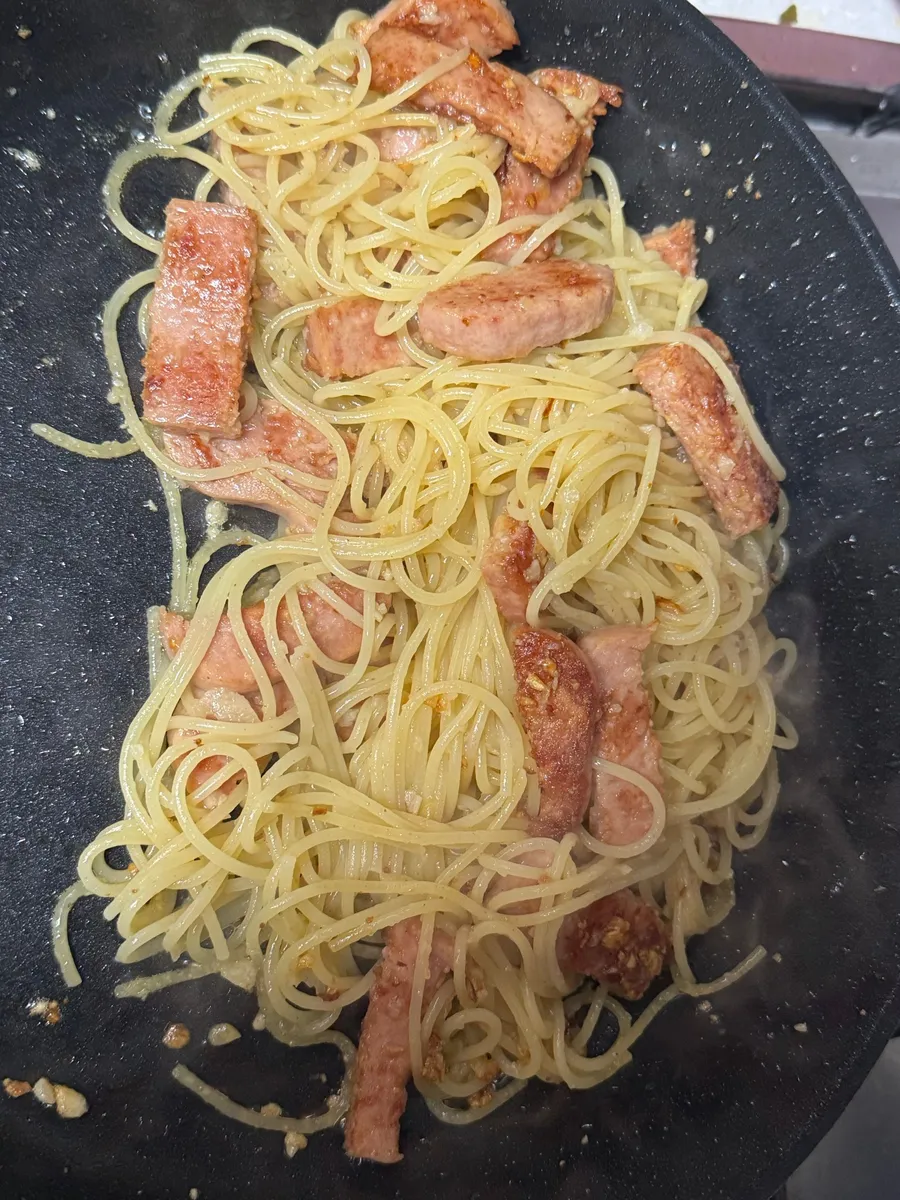
Mackerel, tuna, and smoked duck work too
Grill frozen mackerel and flake off just the meat. Drain canned tuna and stir it in at the end. Smoked duck goes in the pan first, like Spam, to render its fat.
Cheongyang chili instead of peperoncino
You can also slice cheongyang chili (청양고추), a hot Korean green chili, and add it with the garlic. It tastes a little cleaner, and its heat has a different kind of aroma from peperoncino.
How about clean-out-the-fridge pasta tonight?
All you need to start is garlic, olive oil, and pasta. Take care of the pasta water, and you can leave the rest to whatever is in your fridge. Just keep it a secret from any Italians.
This post was originally written in Korean and translated into English.